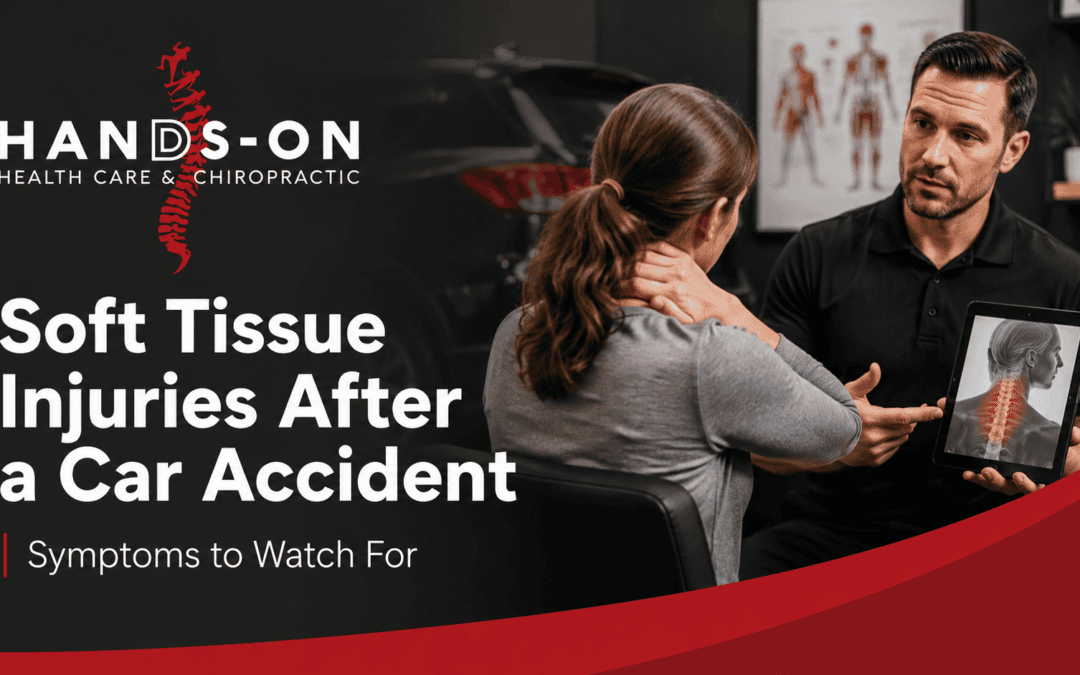
Soft tissue injuries after a car accident can be easy to overlook at first. Even when there are no broken bones or obvious injuries, the muscles, ligaments, tendons, and surrounding tissues can still be affected by the force of a crash.
Some symptoms appear right away. Others develop hours or days later as soreness, stiffness, swelling, bruising, tightness, or limited movement becomes more noticeable.
At Hands-On Health Care & Chiropractic, patients in Tarpon Springs and New Port Richey can receive care for auto injuries, pain, stiffness, and movement-related concerns after a crash.
This article explains what soft tissue injuries are, what symptoms to watch for, and when it may be time to schedule an evaluation.
Quick Answer: What Are Soft Tissue Injuries After a Car Accident?
Soft tissue injuries after a car accident involve damage or irritation to muscles, ligaments, tendons, or surrounding tissue. These injuries may cause pain, swelling, bruising, stiffness, muscle tightness, reduced range of motion, or symptoms that appear after the accident. If symptoms keep returning, worsen, limit movement, or include numbness or tingling, an evaluation may help determine the next step.
Quick Takeaways
- Soft tissue injuries can happen even after a minor car accident.
- Symptoms may include soreness, stiffness, swelling, bruising, tightness, or reduced mobility.
- Pain may appear right away or develop hours or days later.
- Soft tissue pain can affect the neck, back, shoulders, hips, arms, or legs.
- If symptoms worsen, keep coming back, or affect daily movement, it may be time to get checked.
- Hands-On Health Care & Chiropractic offers auto injury care in Tarpon Springs and New Port Richey.
What Are Soft Tissue Injuries?
Soft tissue injuries affect the body’s muscles, ligaments, tendons, and connective tissues. After a car accident, these areas can be strained, overstretched, irritated, or inflamed because of sudden force.
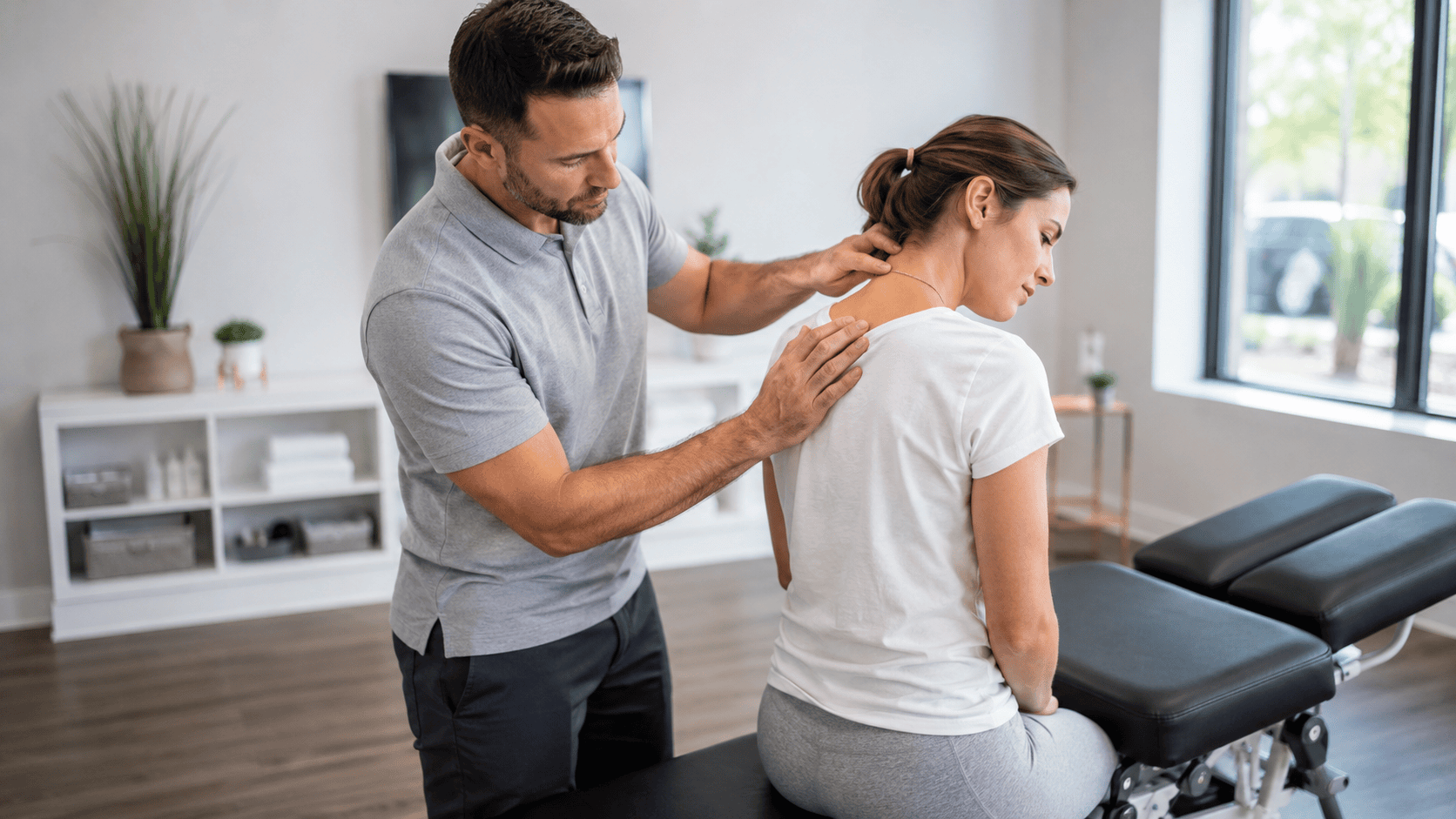
Soft tissue symptoms can affect movement, posture, comfort, and daily activity after a crash.
Common soft tissue injuries may include:
- Muscle strains
- Ligament sprains
- Tendon irritation
- Bruising
- Muscle spasms
- Soreness or stiffness
- Joint and movement restrictions
These injuries do not always show up clearly from the outside. A person may look fine after the crash but still feel pain or stiffness later.
For general educational context, Cleveland Clinic explains that soft tissue injuries can involve muscles, tendons, or ligaments and commonly cause pain with swelling.
Why Soft Tissue Pain Can Show Up Later
After a crash, adrenaline and stress can make it harder to notice pain immediately. Your body may feel tense, guarded, or “off” before clear symptoms develop.
Soft tissue symptoms may become more noticeable when you:
- Wake up the next morning
- Sit or drive for a longer period
- Turn your head or upper body
- Bend, lift, or reach
- Return to work or normal activity
- Try to exercise again
Delayed pain does not always mean the injury is severe, but it should not be ignored if it continues or gets worse.
Symptoms to Watch For After a Car Accident
Soft tissue injuries can affect different parts of the body depending on how the crash happened and how your body moved during impact.
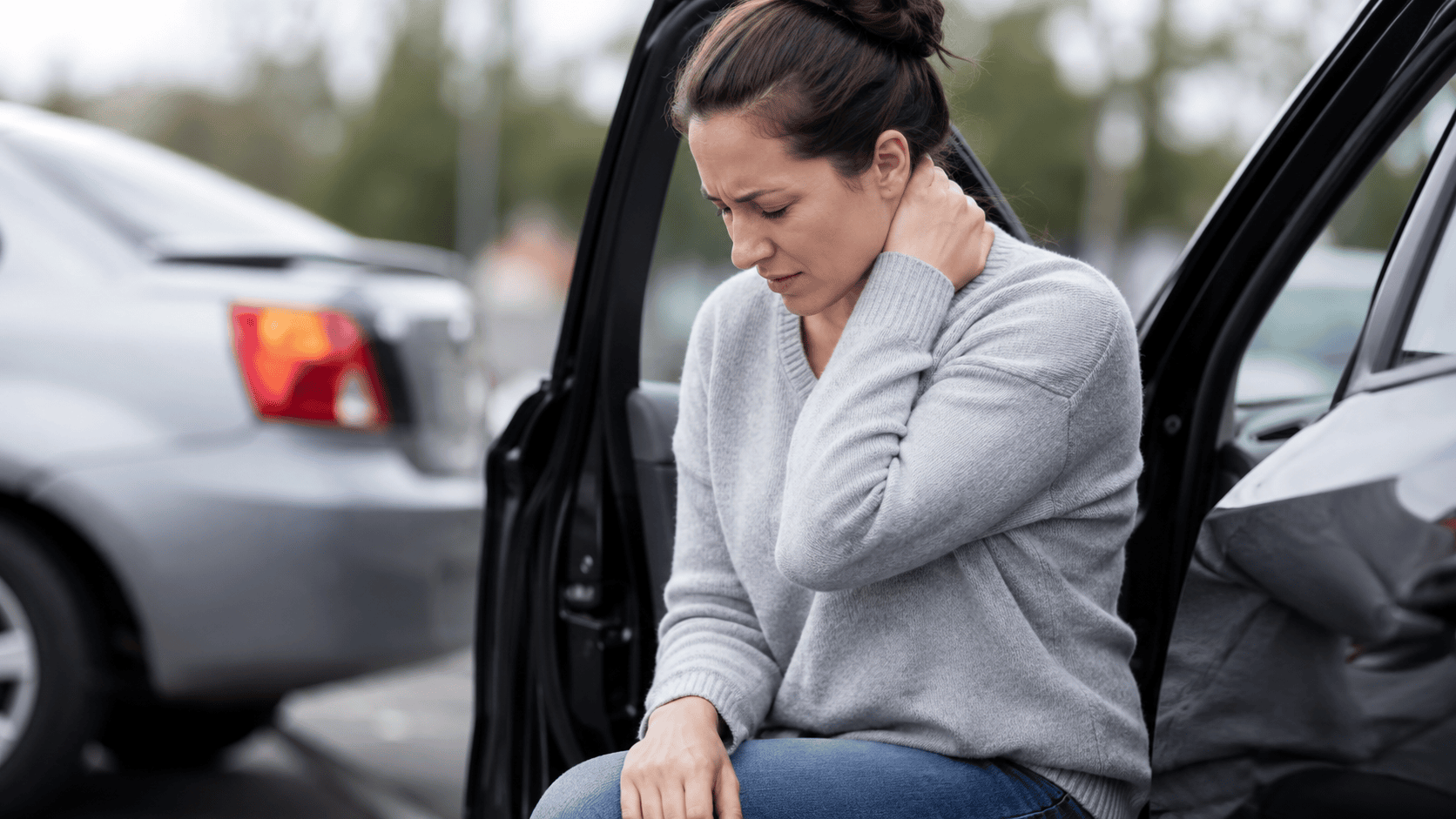
Pain, stiffness, or soreness may become more noticeable hours or days after a car accident.
Symptoms may include:
- Neck pain or stiffness
- Back pain or tightness
- Shoulder discomfort
- Hip or leg soreness
- Muscle spasms
- Swelling or bruising
- Reduced range of motion
- Pain when bending, reaching, or turning
- Tenderness in the affected area
- Headaches with neck or upper back tension
- Tingling, numbness, or radiating discomfort
Some symptoms may feel mild at first. Others may become more disruptive over time.
Common Soft Tissue Injury Areas After a Crash
Neck and Shoulders
The neck and shoulders often absorb force during a collision. This can lead to tightness, soreness, stiffness, headaches, or difficulty turning the head.
Upper and Lower Back
The back may become painful after sudden impact, twisting, bracing, or seatbelt force. Some people notice tightness while sitting, standing, bending, or sleeping.
Hips, Legs, and Arms
Soft tissue symptoms can also appear in the hips, legs, arms, or hands. This may happen from bracing against the steering wheel, being jolted in the seat, or tensing during impact.
Common Mistakes After a Car Accident
Mistake 1: Assuming No Broken Bones Means No Injury
Not every injury is a fracture. Muscles, ligaments, tendons, and joints can still be irritated or injured after a crash.
Mistake 2: Ignoring Delayed Symptoms
Pain that appears the next day or several days later can still be connected to the accident. Delayed soreness, stiffness, or swelling should be monitored.
Mistake 3: Pushing Through Pain Too Soon
Returning to heavy lifting, intense workouts, yard work, or repetitive tasks too quickly may make symptoms worse.
Mistake 4: Only Treating the Pain Temporarily
Ice, heat, stretching, or over-the-counter pain relief may help some mild symptoms, but they do not replace an evaluation if symptoms persist.
What Should You Do After a Car Accident?
If you are sore or stiff after a crash, start by paying attention to your symptoms and avoiding movements that make pain worse.
Helpful steps may include:
- Track when symptoms started
- Note where you feel pain or tightness
- Avoid heavy lifting if it increases discomfort
- Use gentle movement instead of staying completely still
- Avoid forcing painful stretches
- Watch for swelling, bruising, numbness, or tingling
- Schedule an evaluation if symptoms do not improve
If you have severe pain, major weakness, numbness, dizziness, confusion, trouble walking, loss of consciousness, or new bowel or bladder issues after a crash, seek urgent medical care.
Key Facts About Soft Tissue Injuries After a Car Accident
After a car accident, do not only ask, “How much pain am I in?”
Also ask, “What feels different when I move?” Soft tissue injuries can affect flexibility, range of motion, muscle tension, posture, and daily movement.
When Should Soft Tissue Injuries Be Evaluated?
You should consider scheduling an evaluation if symptoms:
- Do not improve
- Keep coming back
- Get worse over time
- Limit movement
- Affect sleep, work, driving, or exercise
- Start after a car accident
- Include swelling or bruising
- Cause numbness, tingling, or weakness
- Travel into another area of the body
The goal of an evaluation is to better understand what may be contributing to your pain and what care options may be appropriate.
How Hands-On Health Care & Chiropractic Can Help
Hands-On Health Care & Chiropractic provides auto injury care for patients dealing with pain, stiffness, soreness, soft tissue discomfort, and movement-related symptoms after a car accident.
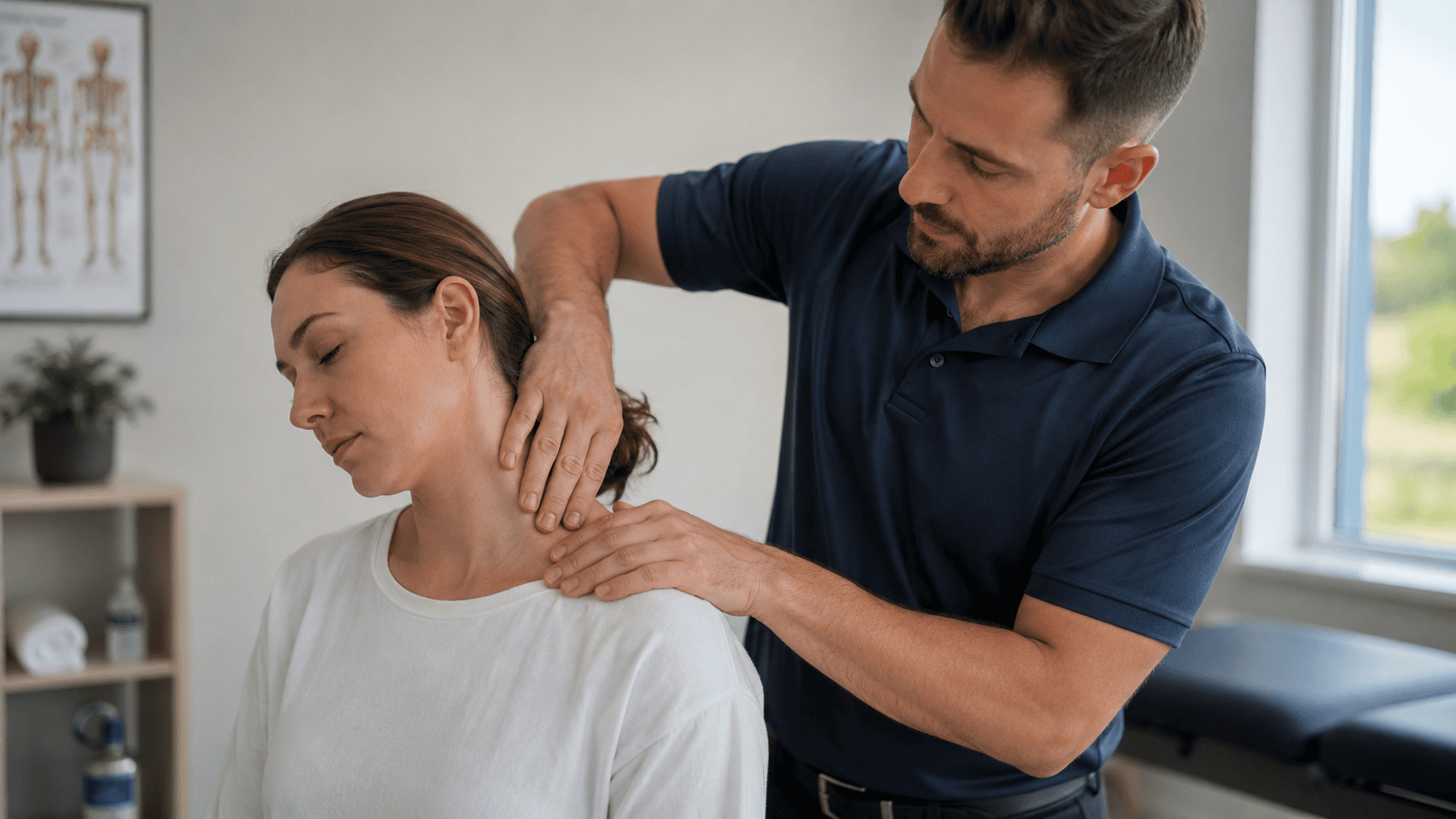
Auto injury care can help patients better understand pain, stiffness, soreness, and movement changes after a crash.
Depending on your symptoms and evaluation, care may include chiropractic care, pain treatment, massage therapy, ART Therapy, soft tissue support, or other services offered by the practice.
The goal is to help patients better understand their symptoms, support healthier movement where possible, and take the next step toward care that fits their needs.
Hands-On Health Care & Chiropractic has two convenient locations:
- Tarpon Springs — (727) 937-6740
- New Port Richey — (727) 992-9969
FAQ: Soft Tissue Injuries After a Car Accident
What are soft tissue injuries after a car accident?
Soft tissue injuries after a car accident involve muscles, ligaments, tendons, or connective tissues. They may cause soreness, stiffness, swelling, bruising, tightness, or limited movement.
Can soft tissue injuries show up days after a crash?
Yes. Soft tissue symptoms may appear right away or develop hours or days later. Pain, stiffness, swelling, or limited movement after an accident should be monitored.
What are common signs of soft tissue damage after an accident?
Common signs include pain, swelling, bruising, stiffness, tenderness, muscle spasms, reduced range of motion, or discomfort that gets worse with movement.
Should I see a chiropractor for soft tissue pain after a car accident?
You should consider scheduling an evaluation if pain does not improve, keeps returning, limits movement, or starts after a car accident. A chiropractor can assess movement, pain areas, and related symptoms.
Does Hands-On Health Care & Chiropractic treat auto injuries?
Yes. Hands-On Health Care & Chiropractic provides auto injury care for patients in Tarpon Springs, New Port Richey, and surrounding communities.
Schedule an Auto Injury Evaluation
If you are dealing with soreness, stiffness, swelling, bruising, or pain after a car accident, do not wait for symptoms to get worse.
Schedule an auto injury evaluation with Hands-On Health Care & Chiropractic in Tarpon Springs or New Port Richey and take the next step toward understanding your symptoms.
Tarpon Springs — 1883 South Pinellas Avenue, Tarpon Springs, FL 34689 — (727) 937-6740
New Port Richey — 9782 Little Rd, New Port Richey, FL 34654 — (727) 992-9969